A living heritage.
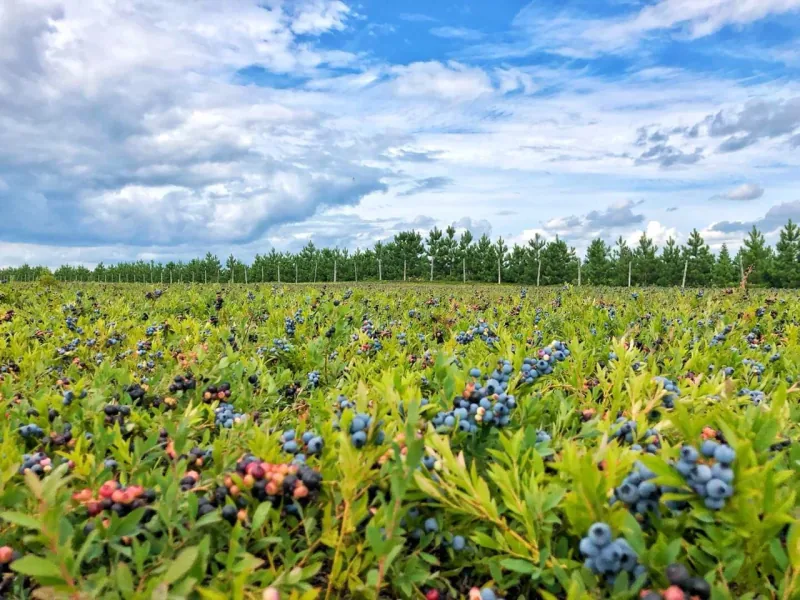
The wild blueberry’s story is much older than the bottle. It begins in the native landscapes of northeastern North America, where the plant has been part of the environment for thousands of years.
People came to know the fruit through its seasons, its flavour and the places where it grew. Indigenous peoples gathered and used wild blueberries fresh and dried, long before the commercial industry took shape.
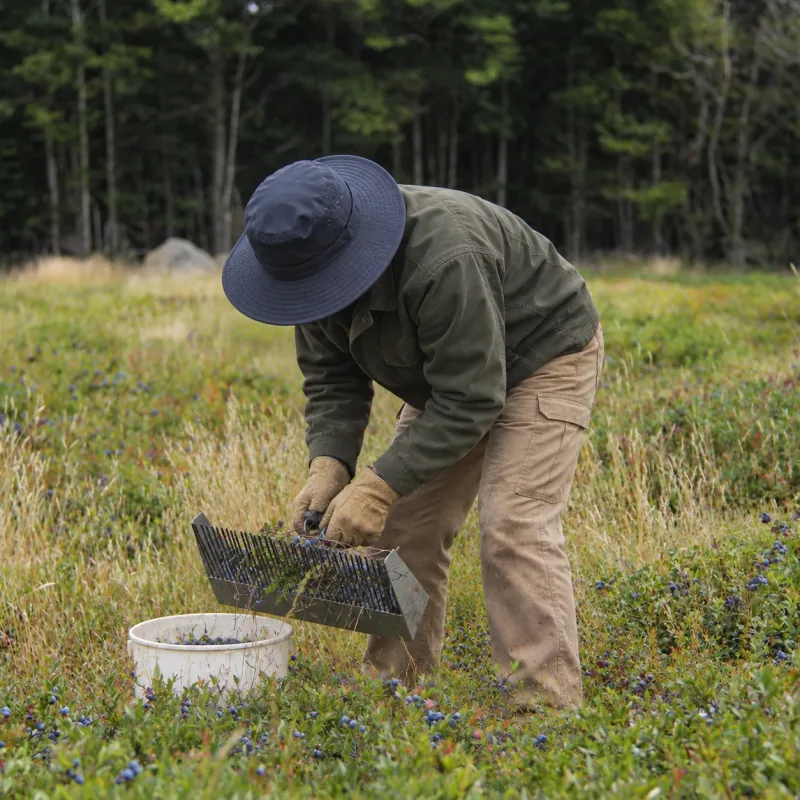
Knowing where to look. Knowing when to return.
Harvesting a wild food depends on familiarity with place. The field, the flowering, the weather and the ripening all belong to that knowledge.
Historical accounts describe Indigenous land tending, including the use of fire to encourage wild-blueberry growth. The crop’s history includes active care as well as gathering.
This gives “wild” a richer meaning: a native fruit within a long human relationship with the land.
From a regional fruit to a taste of place.
Over time, wild blueberries became an important commercial crop across parts of Canada and Maine. Growers developed harvesting and processing methods around the existing plants.
In Nova Scotia, the fruit’s connection to the province is recognised in its designation as the official berry. It belongs in the region’s agricultural story and its everyday food culture.
Jus Nova begins from that sense of place. We want the juice to invite curiosity about the fruit, and the fruit to lead people back to the landscape where its story continues.