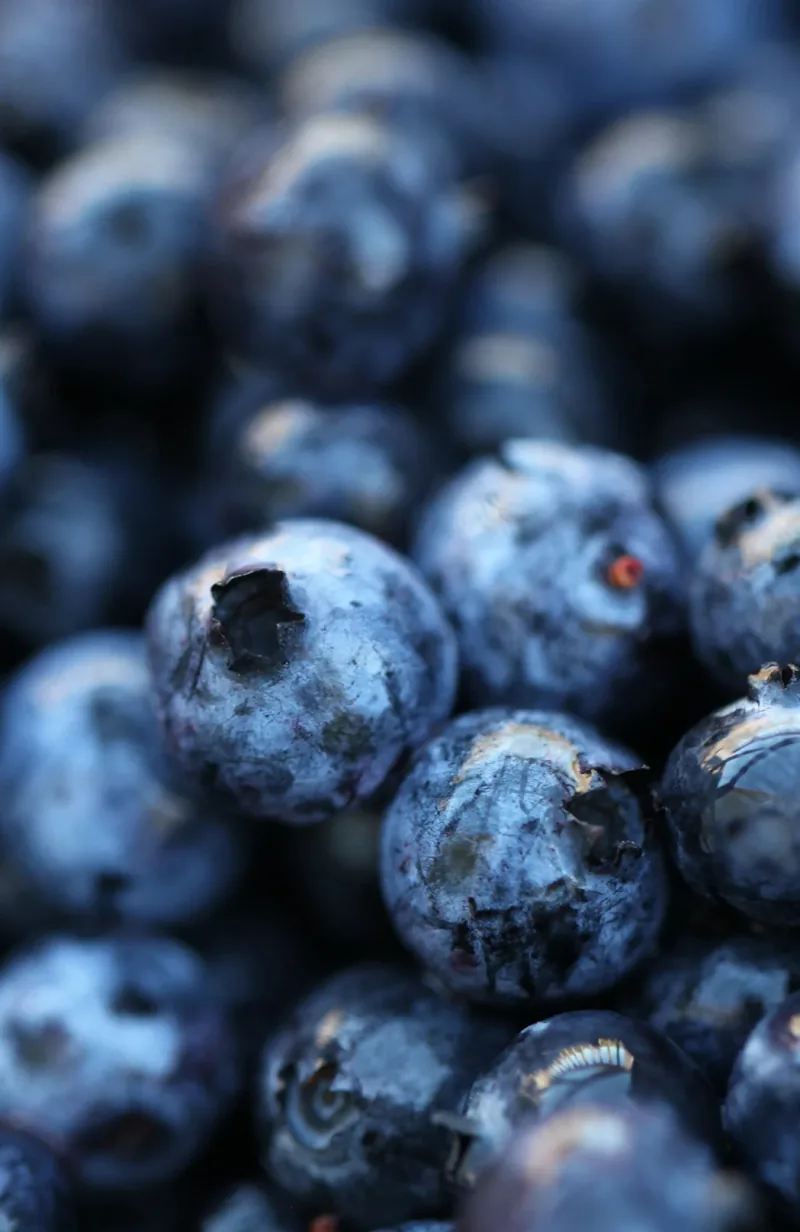
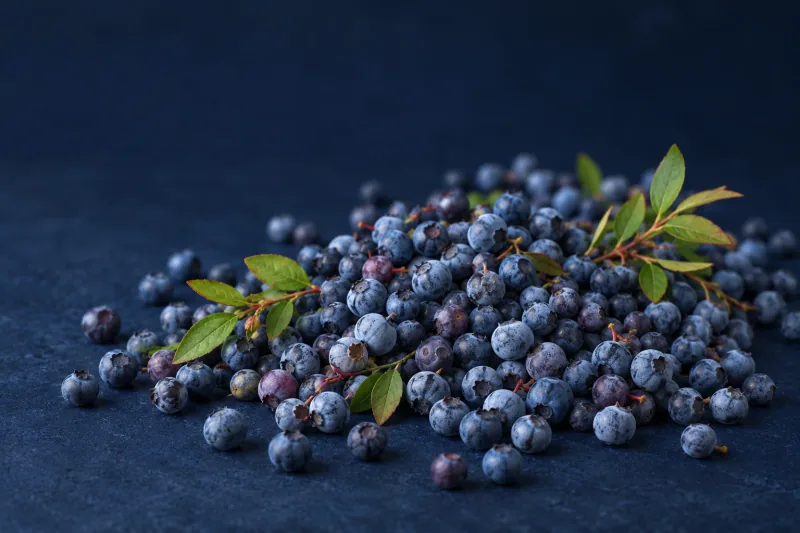
Close detail of wild blueberries, their pale bloom and star-shaped calyx.

The story in the blue.

Colour is often the first thing we notice about wild blueberries. It is also one of the reasons researchers became interested in them.

Anthocyanins are naturally occurring pigments in the flavonoid family. They contribute reds, purples and blues to many plant foods. In wild blueberries, they are part of the fruit’s distinctive blue-purple identity.

A small family tree of plant compounds.

Polyphenols are a broad group of compounds found in plant foods. Flavonoids are one family within that group. Anthocyanins are a subgroup of flavonoids.

You do not need to memorise the names to enjoy the berry. They are useful because they make the science more specific: researchers can measure particular compounds and ask more precise questions about them.

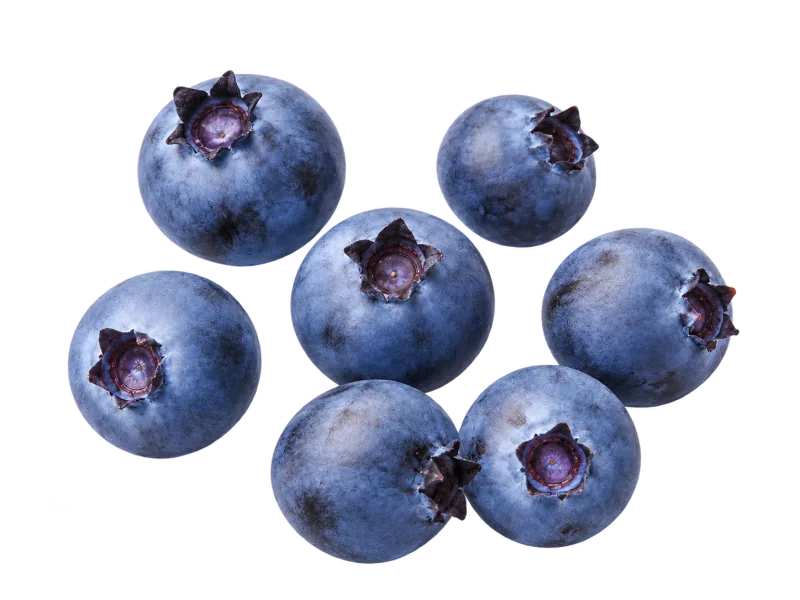
Seven isolated wild blueberries with dusty blue skins and varied blossom crowns, on a transparent background.
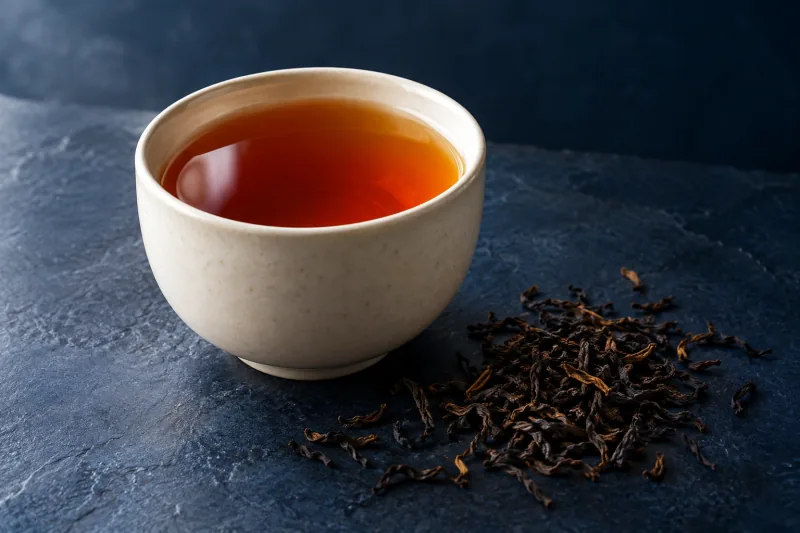
Amber tea in a ceramic cup beside loose tea leaves on a navy surface.

Polyphenols

Think of your cup of tea.

A large family of natural plant compounds found in foods such as tea, berries and cocoa. They help give plants their colour and flavour.

Why the interest?

Scientists study how they interact with our cells and gut microbes, and what that could mean for long-term health.
Polyphenols & gut research
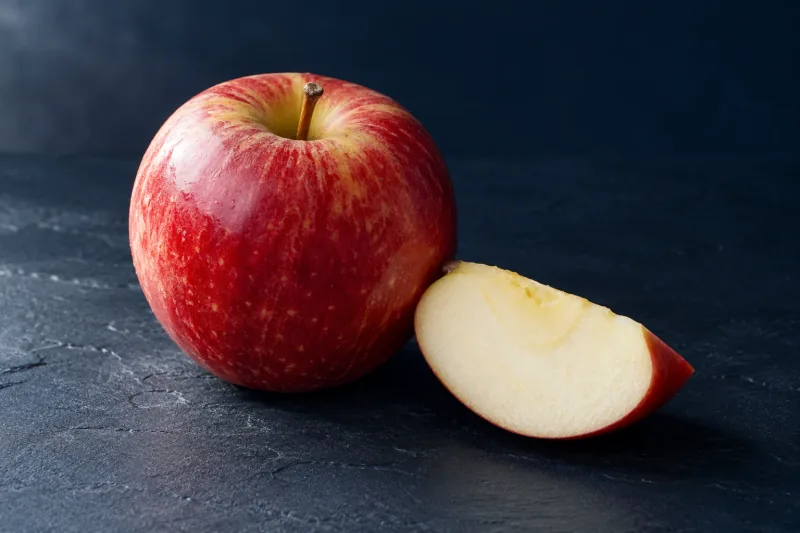
A red apple and a fresh apple wedge on a navy surface.

Flavonoids

Think of a crisp apple.

One group within the polyphenol family. Apples, tea and berries all contain them—so you may already enjoy them every day.

Why the interest?

Researchers study their possible role in heart health, including how well blood vessels relax and carry blood.

Flavonoids & blood-vessel research
A cluster of small wild blueberries with green leaves on a deep navy surface.

Anthocyanins

Think of a blueberry’s blue.

A colourful group of flavonoids. These natural pigments give blueberries—and foods such as red cabbage—their red, purple and blue shades.

Why the interest?

Blueberry studies explore memory and blood-vessel function. The colour is easy to see; its relationship with health is still being investigated.

Read blueberry research

The journey continues after the first bite.

Food compounds change as they pass through digestion and metabolism. Gut microbes can participate in those transformations, producing metabolites that researchers also measure.

This is part of what makes the subject interesting. Scientists are studying a changing interaction between food and the body, rather than simply counting how much blue pigment a berry contains.

From a striking colour to a useful question.

Could these compounds help explain particular responses seen in blueberry trials? How does the food form influence what is consumed? Do results change with age, serving or duration?

Those questions lead into human research on cognition, circulation and metabolism. Explore the studies to see how the scientists approached them, and what each experiment found.

Explore Health & Science