
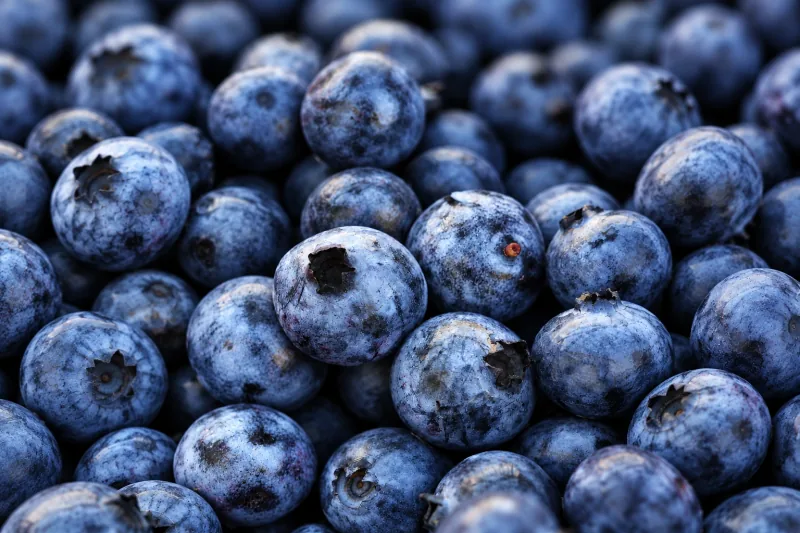
A berry with a character of its own.
Small, low-growing and native to northeastern North America, the wild blueberry carries a world of detail. Look at the skin, the bloom and the little crown. Taste the fruit. Then follow the story beneath the surface.
This is the berry at the heart of Jus Nova.
Explore the story.
Explore this page
Atlantic Canada
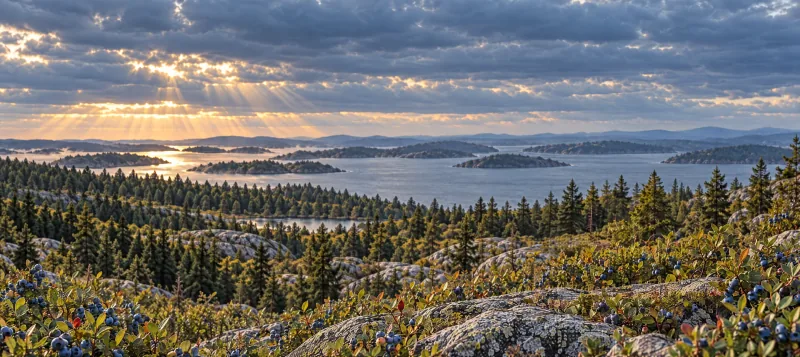
From Canada’s Atlantic edge.
There is a particular feeling to a place where the horizon stays open and the seasons make themselves known. Nova Scotia gives Jus Nova its home—and the wild blueberry gives us a way to share it.
Our juice comes from this Canadian province, where the fruit is part of the landscape and part of local life.
Rooted in a particular part of the world.
The commercial wild-blueberry landscape is concentrated in eastern Canada and Maine. Nova Scotia belongs to that native growing region, with acidic soils well suited to lowbush plants.
From Cumberland County to other growing areas across the province, wild-blueberry fields are part of a regional agricultural tradition. The value of the ingredient begins with this connection to place.
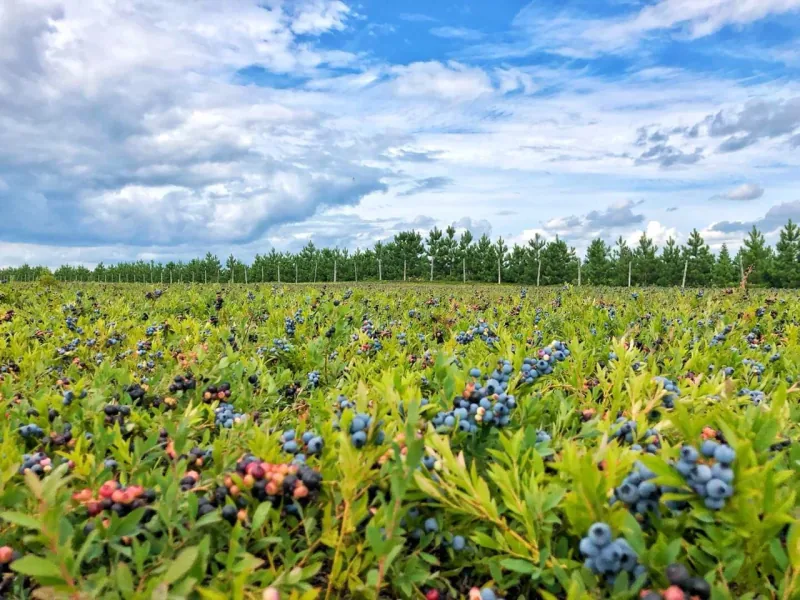
A small fruit with a place in the province.
Nova Scotia named the wild blueberry its provincial berry in 1996. It is a fitting choice for a fruit so closely woven into the province’s harvest and food culture.
For Jus Nova, bringing this juice to the table is a way to share that sense of place. A bottle from Nova Scotia. A flavour that invites you closer.
The wild berry
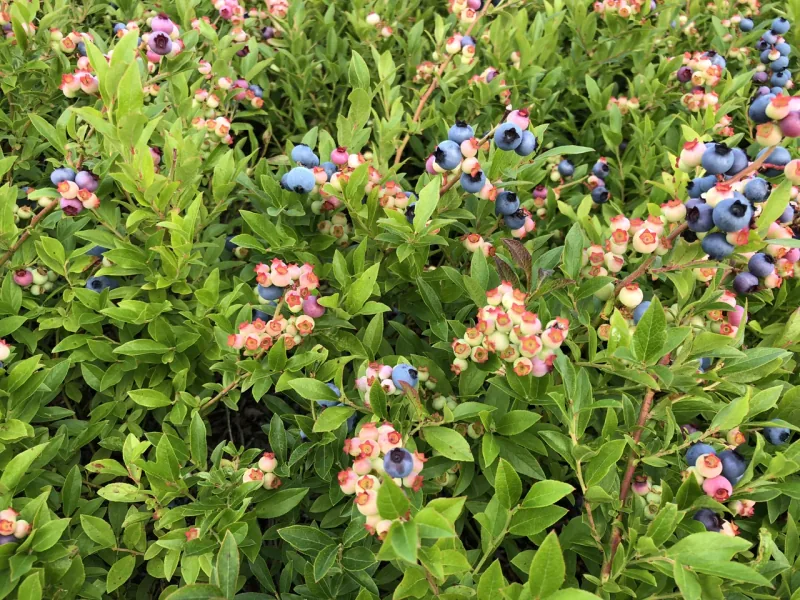
What does “wild” really mean?
Wild blueberries grow on lowbush plants that spread naturally through underground stems called rhizomes. Growers manage and encourage the plants already present in the field.
The familiar larger cultivated blueberry is generally grown on planted highbush varieties. Both are blueberries; their growing habits and the landscapes around them are different.
A wild field is a living patchwork of distinct plants, with differences you can see in the fruit. “Wild” describes that botanical and agricultural story.
Many small differences. A distinctive taste.
One field can hold a remarkable range of naturally different plants. Their fruit varies too, bringing sweet and tart notes into a richly varied wild-blueberry harvest.
That diversity gives us a better way to talk about flavour: attentive, curious and rooted in the fruit. Jus Nova begins with that ingredient and invites you to discover it in the glass.
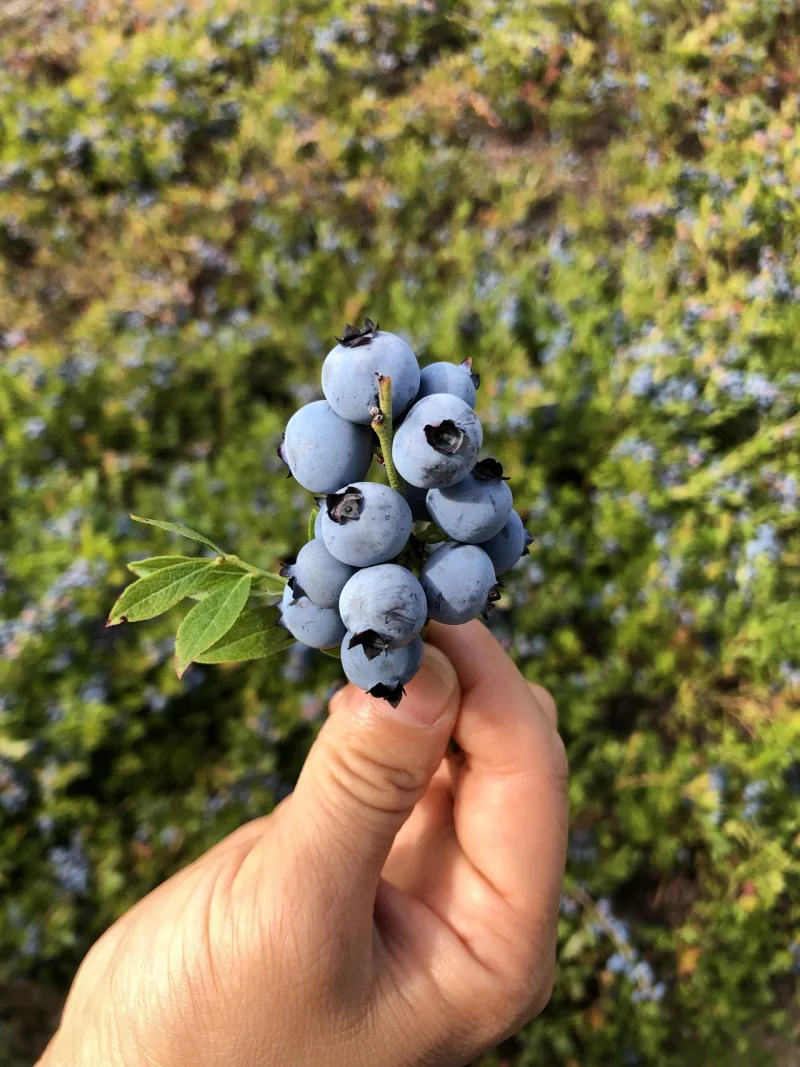
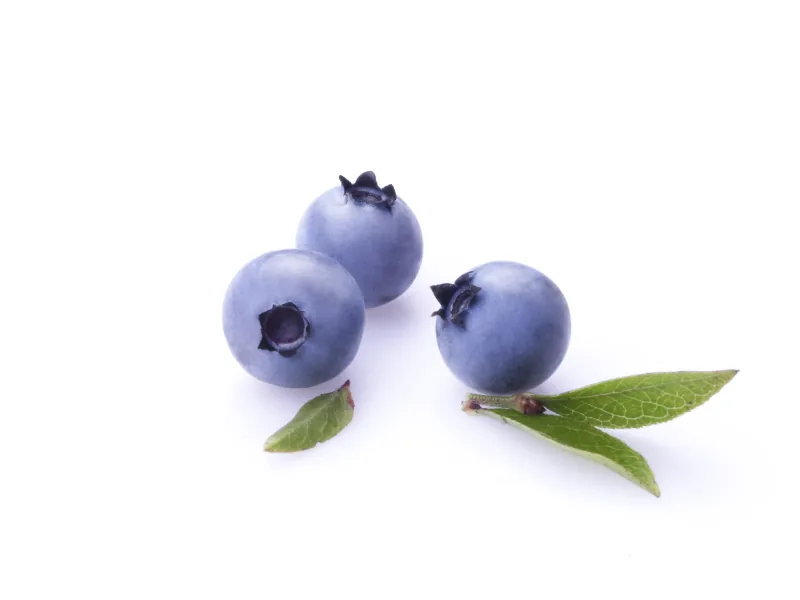
Three details worth noticing.
The bloom — the pale, natural waxy coating that gives the skin its soft, dusty appearance.
The skin — a fine surface carrying much of the blue-purple pigment that makes the berry so recognisable.
The calyx — the small, star-like structure left from the flower. A reminder that each berry began as a blossom.
A little blue, with more to discover.
Wild blueberries are naturally rich in anthocyanin pigments. These compounds connect the berry’s striking appearance with a growing field of research.
Discover the science, or start with a taste. Both journeys begin with the same remarkable fruit.
Living heritage
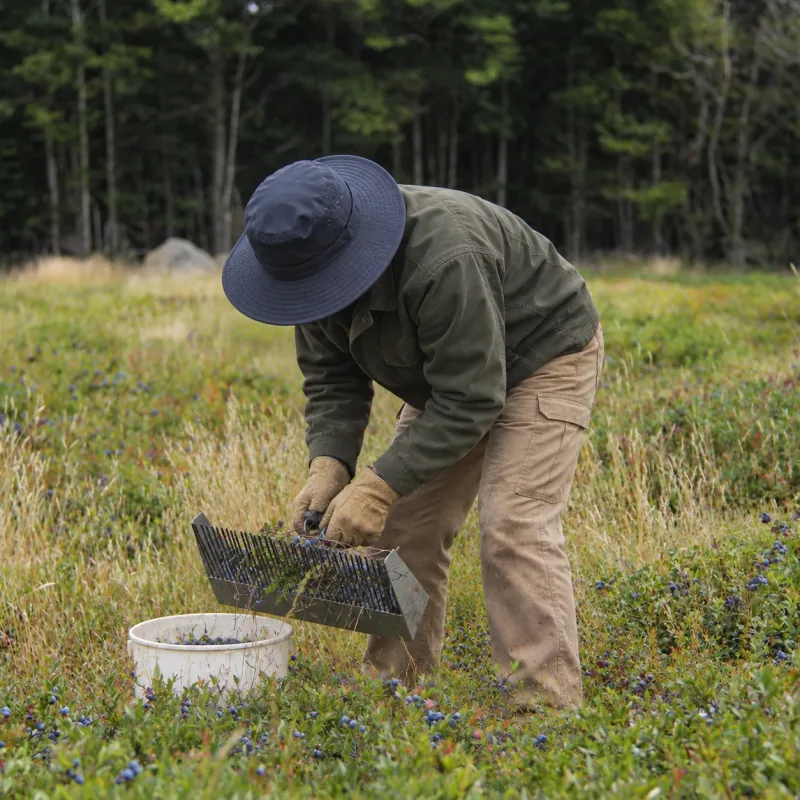
Wild fruit. A living heritage.
Long before wild blueberries became a commercial crop, Indigenous peoples gathered and used them as food. The berry’s human story begins with that knowledge of place.
Follow the path from a native fruit to a regional harvest, and the continuing work of people who tend wild-blueberry lands.
A harvest that takes its time.
A managed wild-blueberry field follows a two-year production cycle. One year builds the stems and buds. The next brings flowers and fruit.
In a harvest year, spring blossoms call in pollinators. The berries develop through summer, then ripen for a seasonal harvest. After picking, pruning begins the cycle again.
The fruit arrives through a sequence of living stages. The care is in knowing the field and working with its timing.
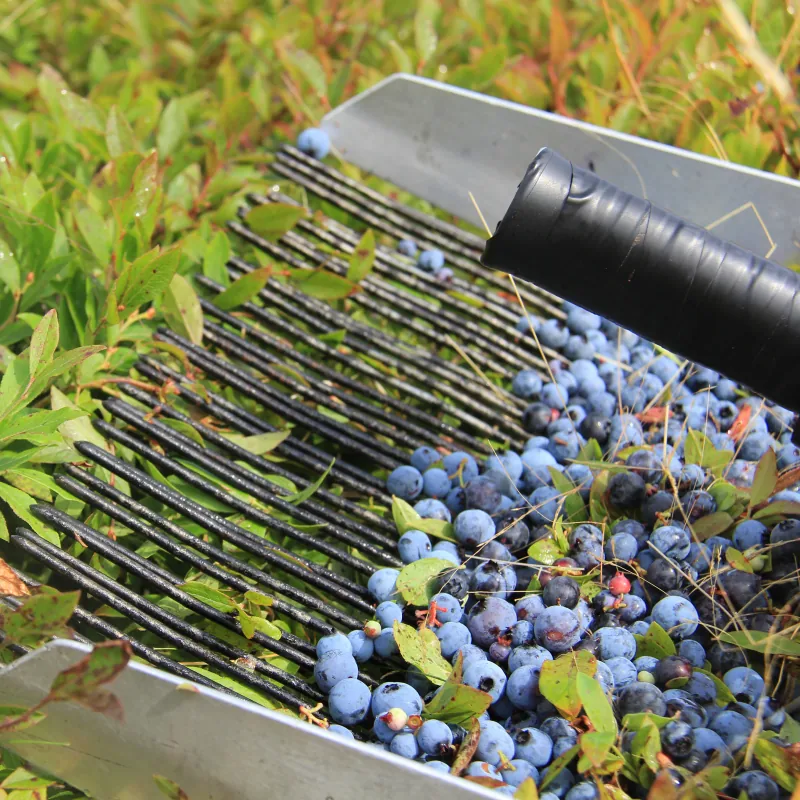
Knowledge grows here too.
A wild crop still calls for skilled hands and close observation. Growers watch the plants, the weather and the harvest, bringing generations of practical experience into the field.
Nova Scotia is also home to agricultural research. Work around Debert brings researchers and growers into the same conversation about the future of wild blueberries. The landscape is a living place of work, learning and care.