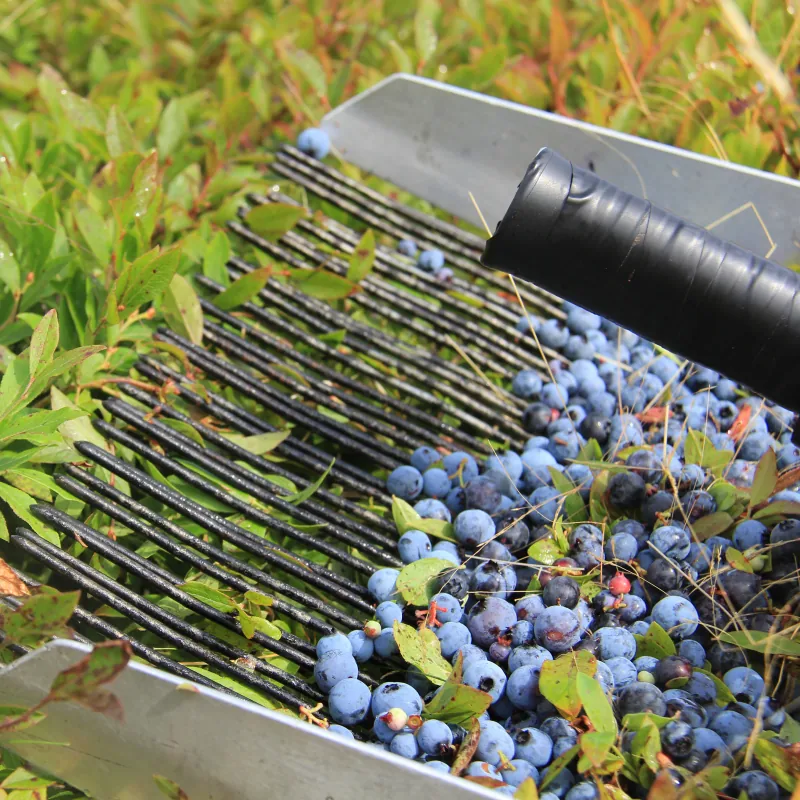
A harvest, two years in the making.
The moment of harvest is easy to photograph. Most of the story has happened before it.
Managed wild-blueberry fields follow a two-year rhythm. One year is devoted to vegetative growth. The other brings flowering and fruit. Growers often manage different parts of their land in alternating stages so a harvest returns each year.
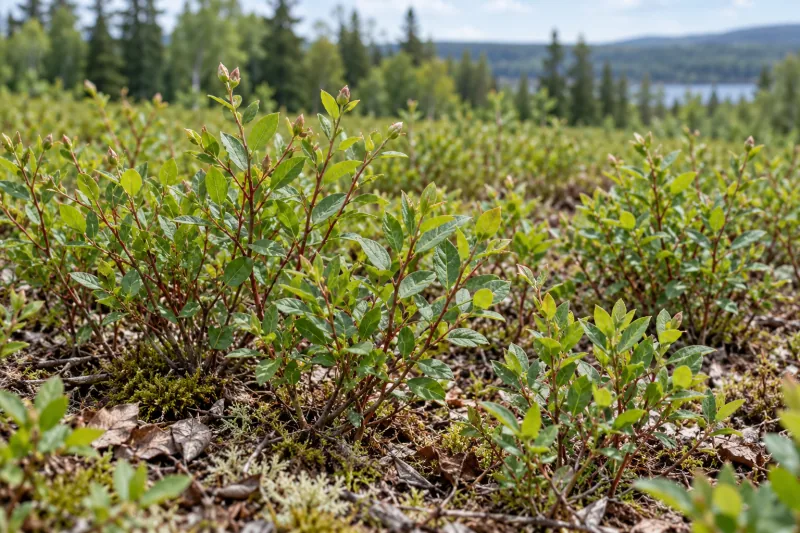
First, the plant prepares.
After pruning, fresh stems develop from the established underground system. Leaves grow. Flower buds form for the following crop.
The field may look quiet beside a fruiting field, but this growth year is part of the harvest’s foundation.
Then, the field comes into flower.
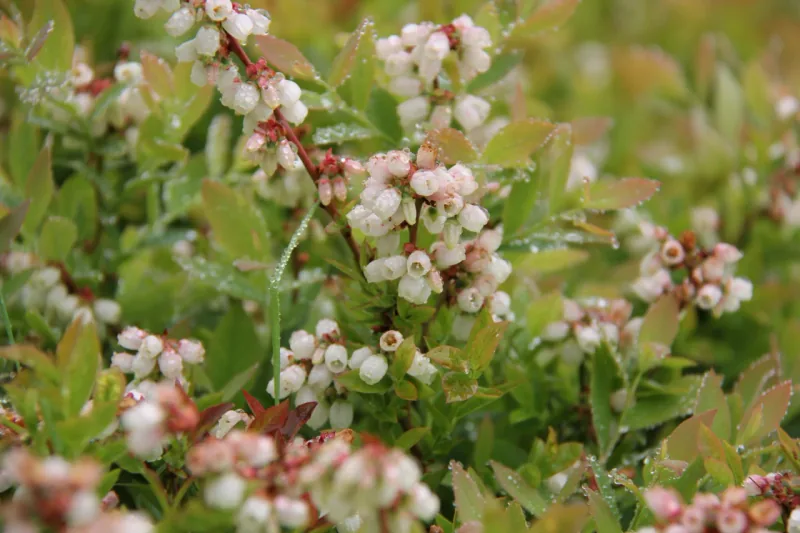
In the crop year, the buds open into small bell-shaped flowers. Bees move between them, helping the field set fruit.
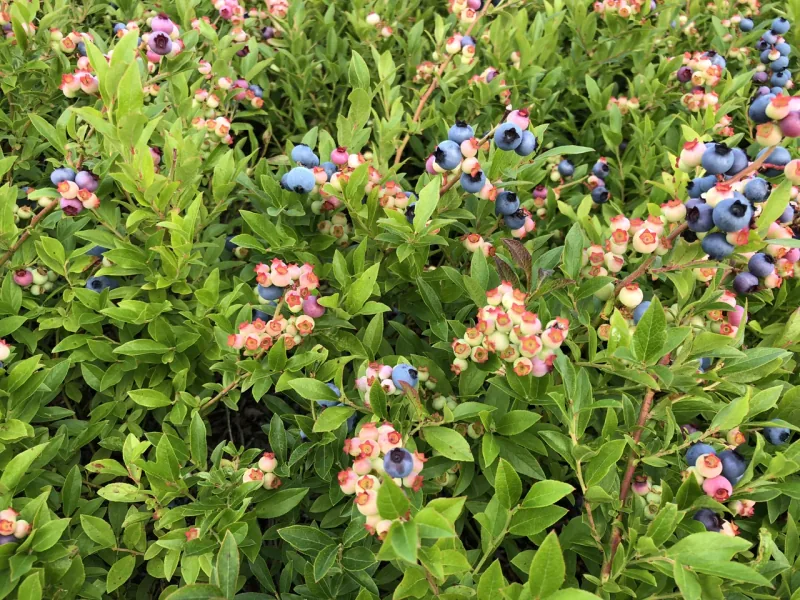
Through the summer the berries develop, with colour moving towards the blues of a ripe harvest. The crop becomes visible one small fruit at a time.
A short season within a longer rhythm.
In the growing region, harvest generally falls in late summer. When picking is complete, the plants are pruned and the field begins again.
There is time behind this fruit. Seasons of growth. Close observation. Work that continues after the last berry is picked. A small harvest moment within the much longer life of a field.